Biological Oceanography · Plankton Ecology · Data Science
AI-empowered insight into dynamic marine ecosystems.
We leverage advanced ocean-observing technologies and artificial intelligence to understand how plankton communities respond to a changing ocean. Our work integrates field observations, autonomous platforms, remote sensing, imaging systems, and computational analyses to examine marine community dynamics across spatial and temporal scales.
Observation Technologies
From high-resolution sensors to ecological data products
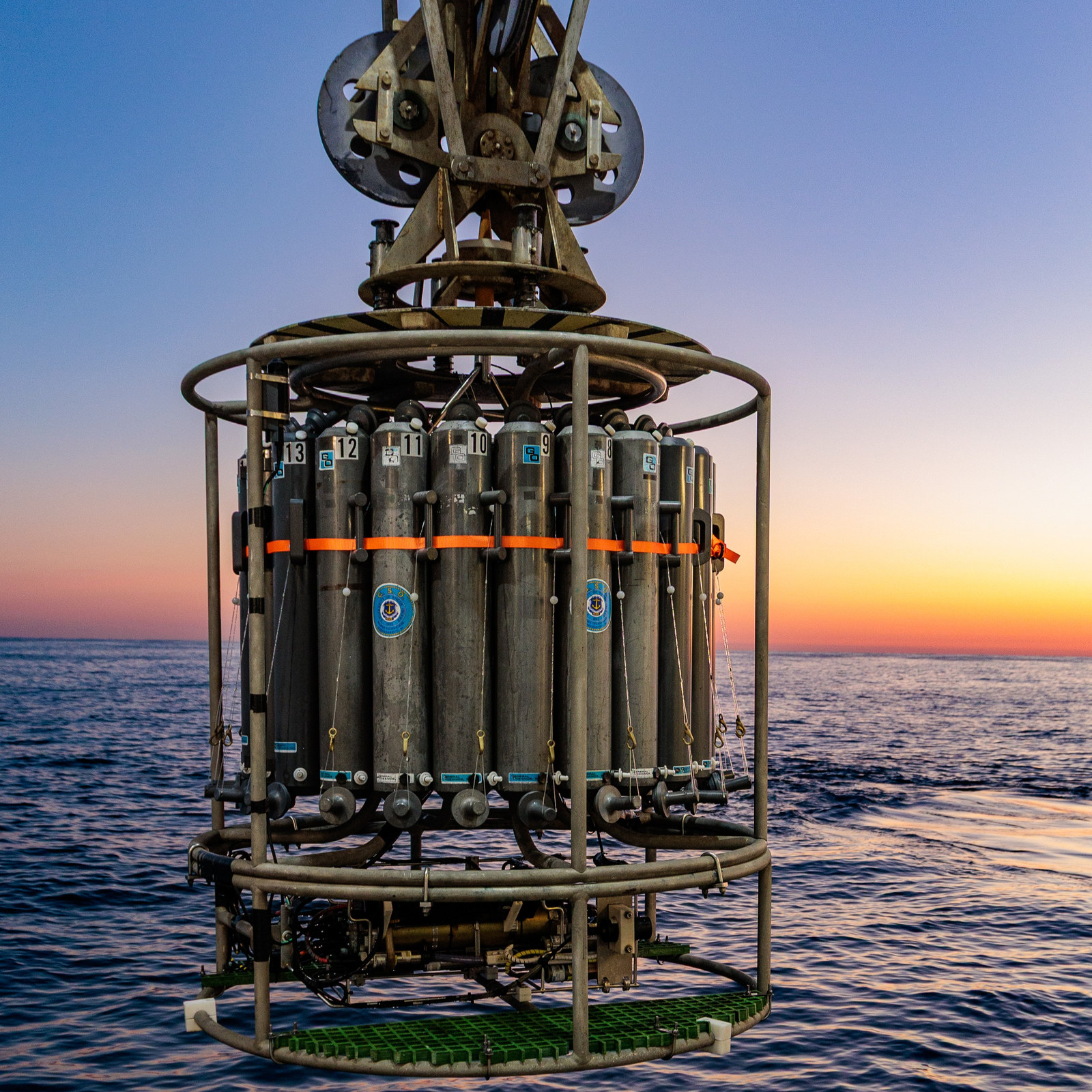
CTD rosettes provide detailed water-column profiles and seawater samples that anchor ocean observations.
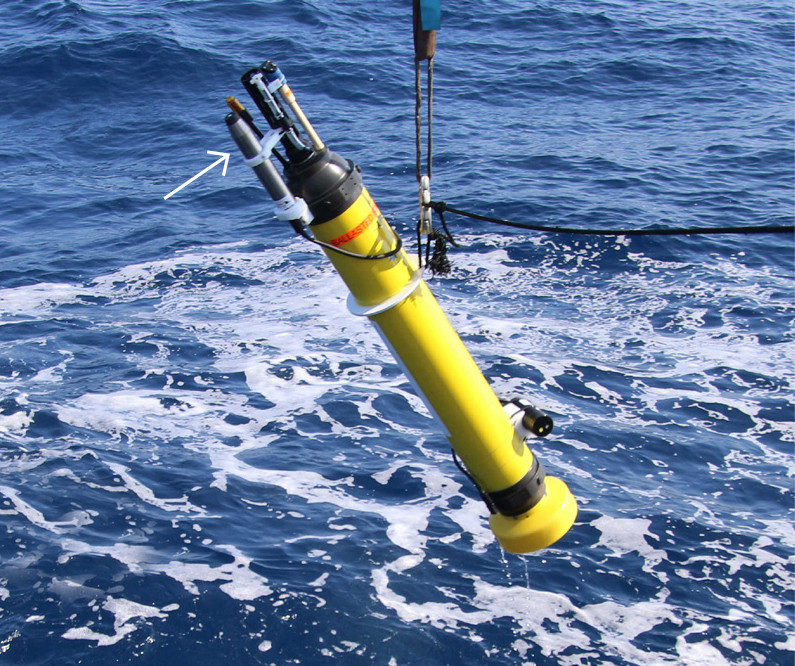
BGC-Argo floats extend ship-based observations through autonomous profiling across broad ocean regions. Credit: Emilie Diamond Riquier, IMEV - Institut de la Mer de Villefranche.
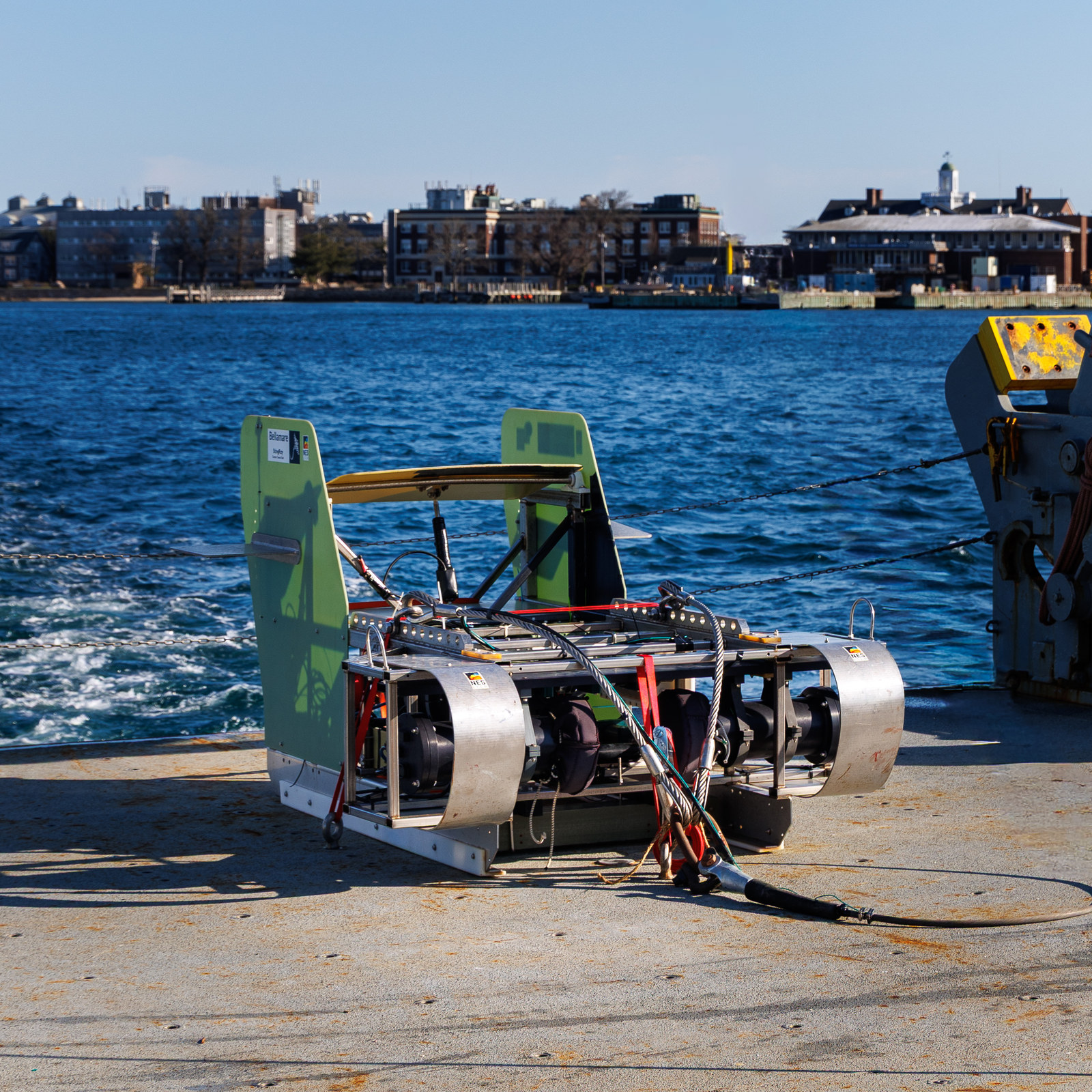
Tow sleds resolve fine-scale variability between vertical profiles by sampling continuously along ship tracks.
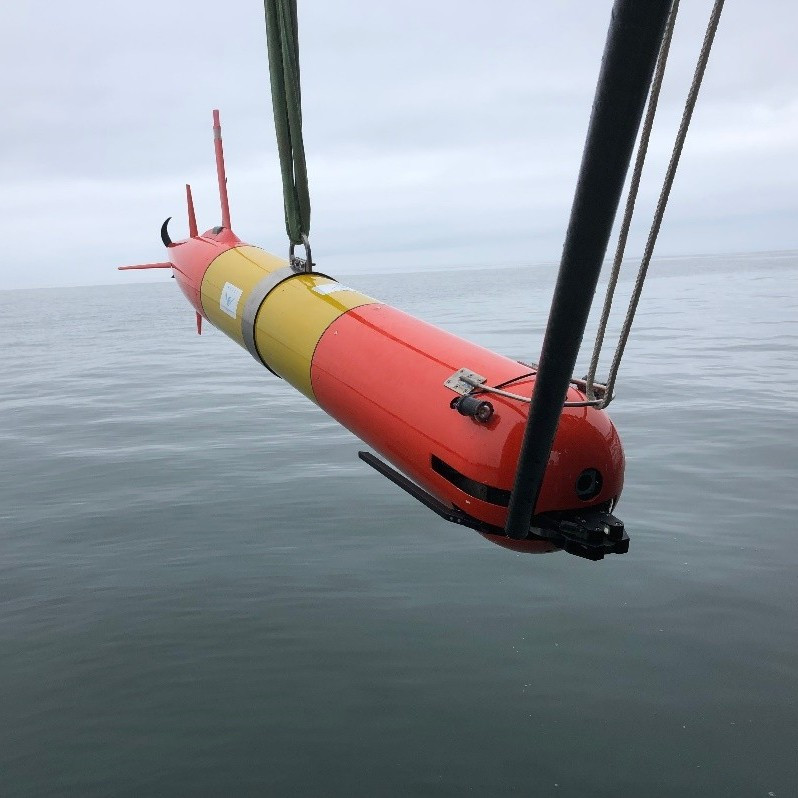
AUVs maintain high-resolution while enabling sustained, adaptive observations across moving water masses. Credit: Arctic Domain Awareness Center.
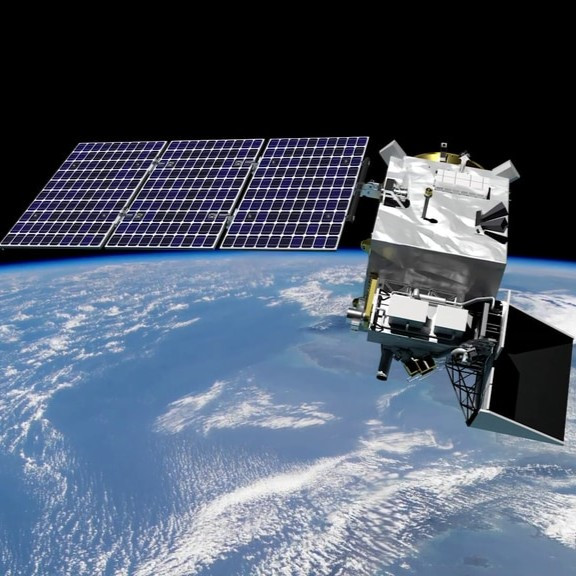
Satellite observations connect local measurements with global-scale patterns. Credit: NASA Scientific Visualization Studio.
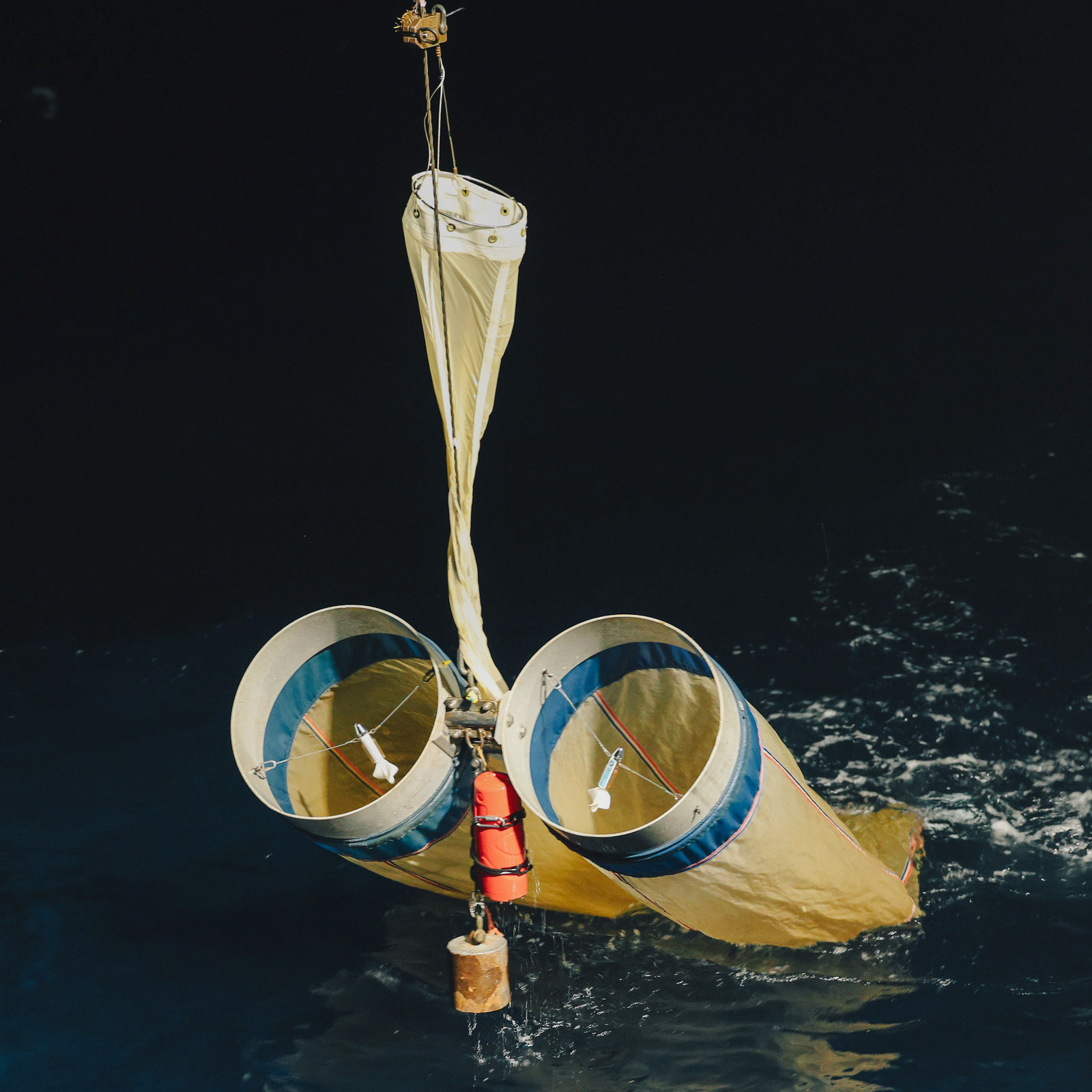
Traditional sampling methods provide ground truth for automated observations.
Research Program
Harmful Algal Blooms
Some phytoplankton species can harm marine life and coastal communities. We study when these algae appear, what conditions favor them, and how species identity shapes bloom risk.
Plankton Biogeography
Plankton habitats shift with currents, seasons, river plumes, and ocean fronts. We study how these moving environments organize marine life across coastal and open-ocean regions.
Community Dynamics
Plankton communities assemble, turn over, and respond together to changing ocean conditions. We study how these community patterns reorganize across water masses, seasons, and years.
Ocean Observing Technologies
Long-term plankton research depends on consistent observations across cruises, platforms, and changing technologies. We develop data and visualization tools that keep ecological questions connected.
Selected Work
Contact
Email anh.pham@whoi.edu
Biology Department, MS 32
Woods Hole Oceanographic Institution
Woods Hole, MA 02543-1049