Research
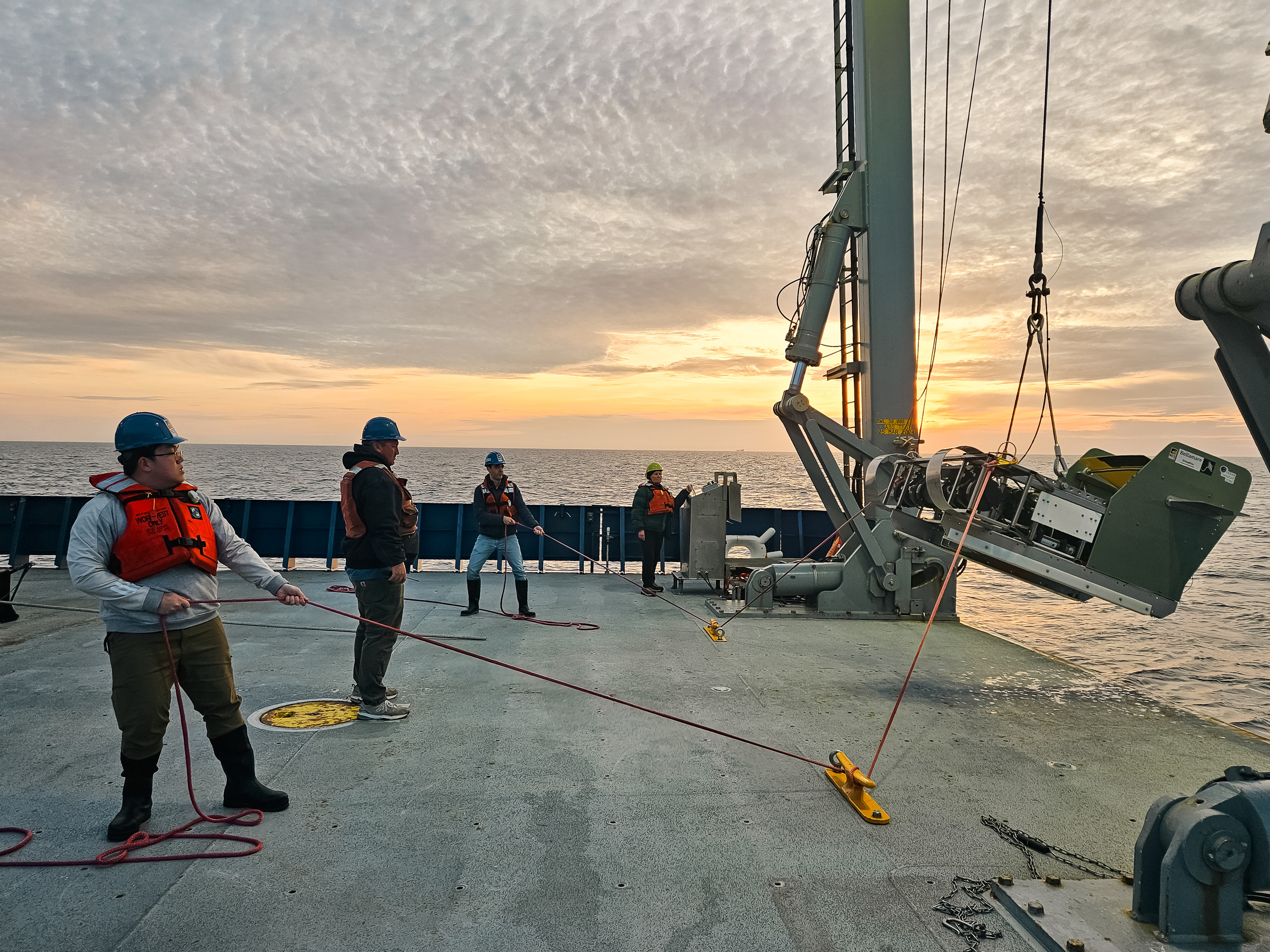
A Stingray tow-sled recovery. Platforms like this can carry imaging and environmental sensors through the water column; the research challenge is connecting those observations to ecological patterns.
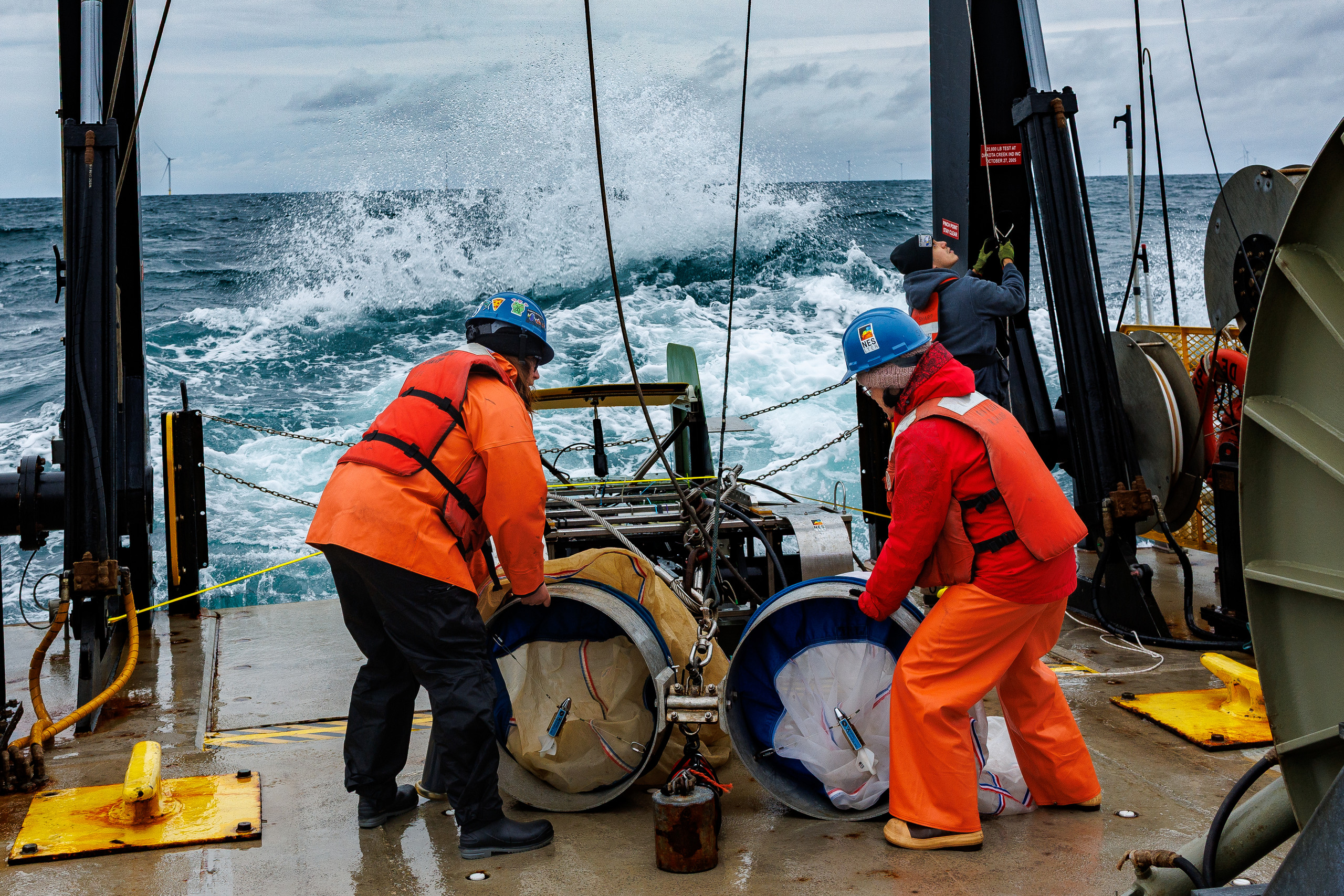
Bongo net deployments provide physical samples of plankton and other small marine organisms. These traditional collections help ground-truth automated imaging and sensor-based observations.
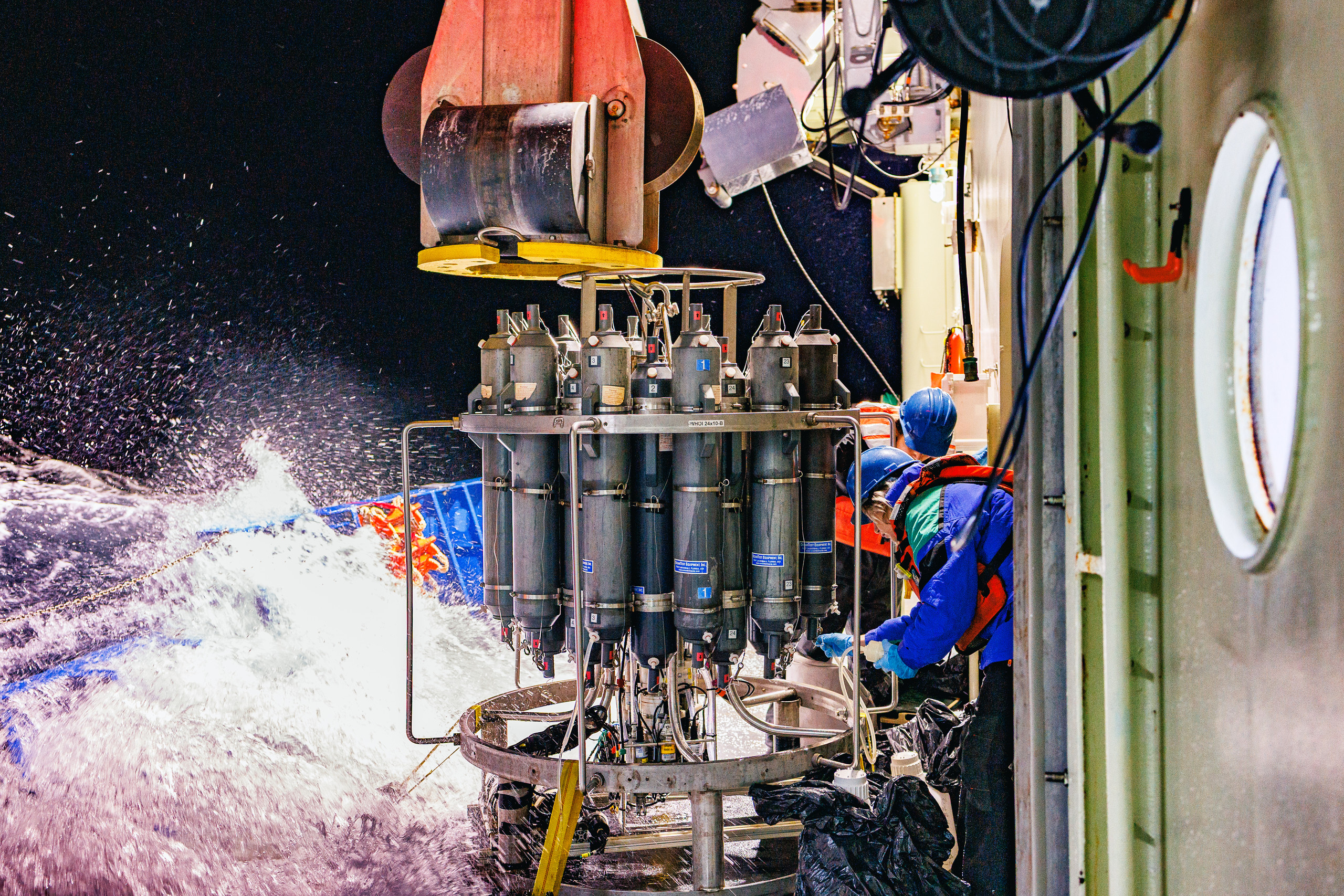
CTD casts provide direct water-column measurements such as temperature, salinity, nutrients, and chlorophyll. These shipboard observations help ground-truth and interpret data from autonomous platforms and imaging systems.
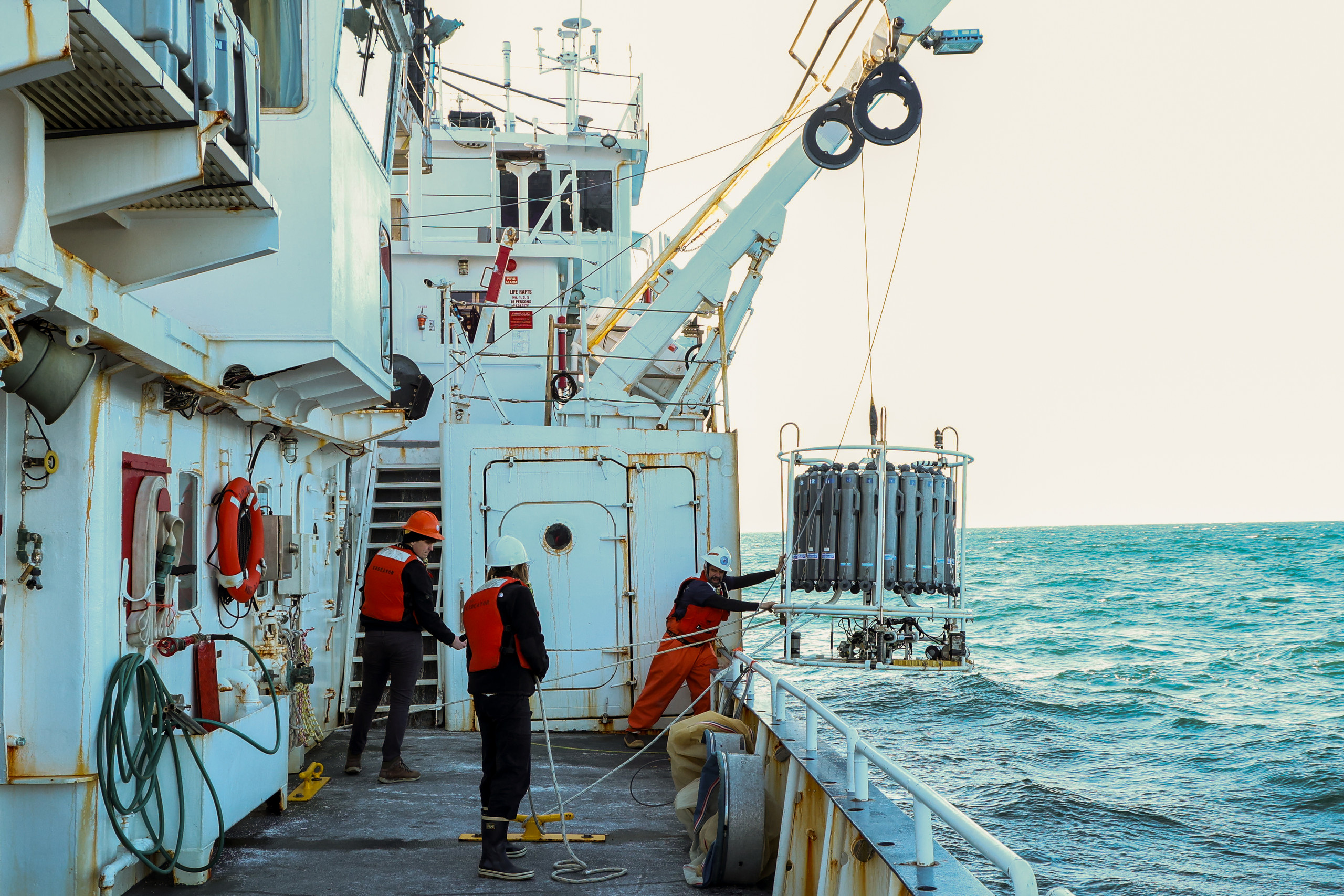
CTD rosette recoveries bring water-column measurements and seawater samples back to the ship. These observations connect biological samples with the physical and chemical structure of the water column.
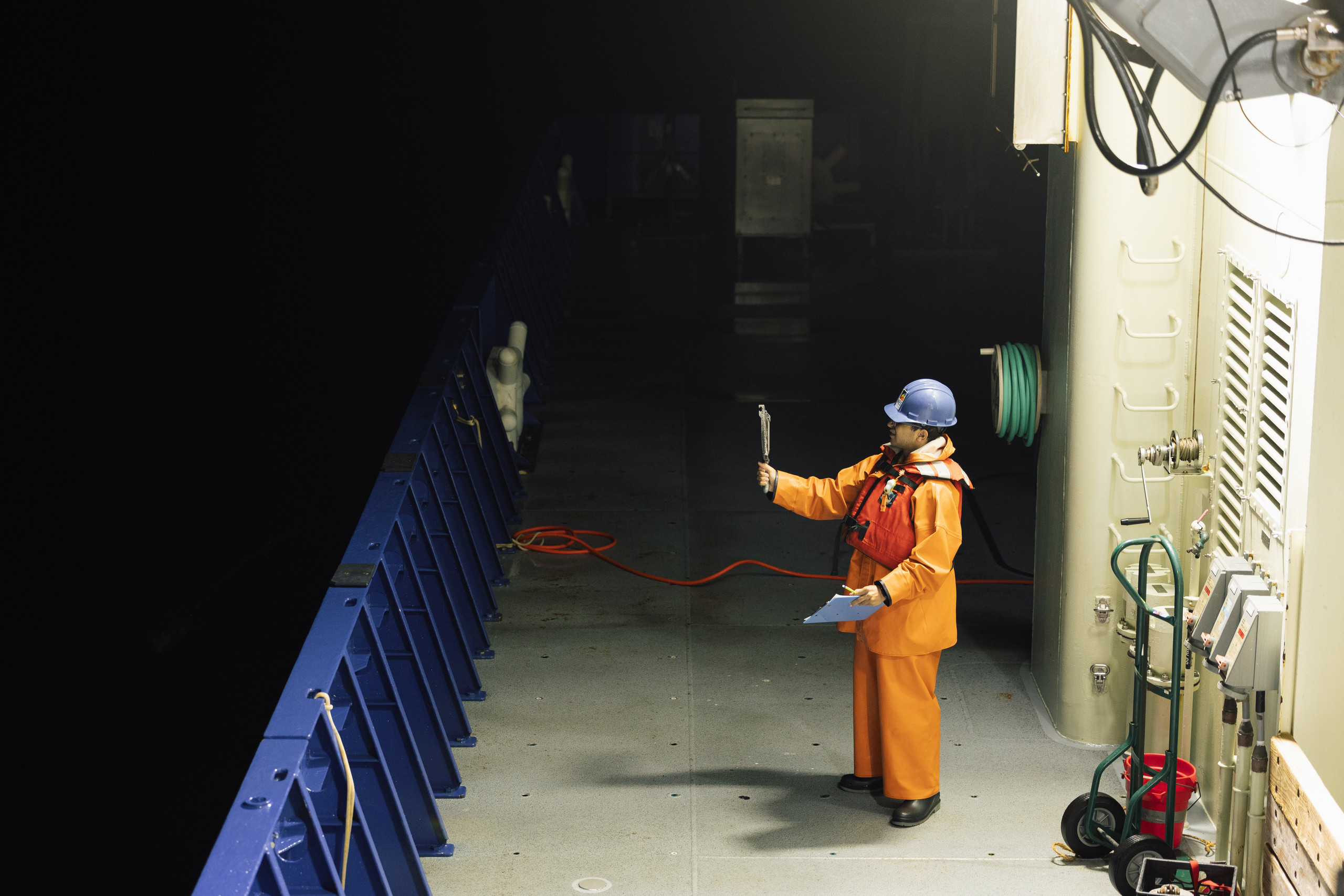
Around-the-clock deck operations are often needed to capture rapidly changing ocean conditions. Field observations depend on careful coordination between people, instruments, weather, and ship operations.
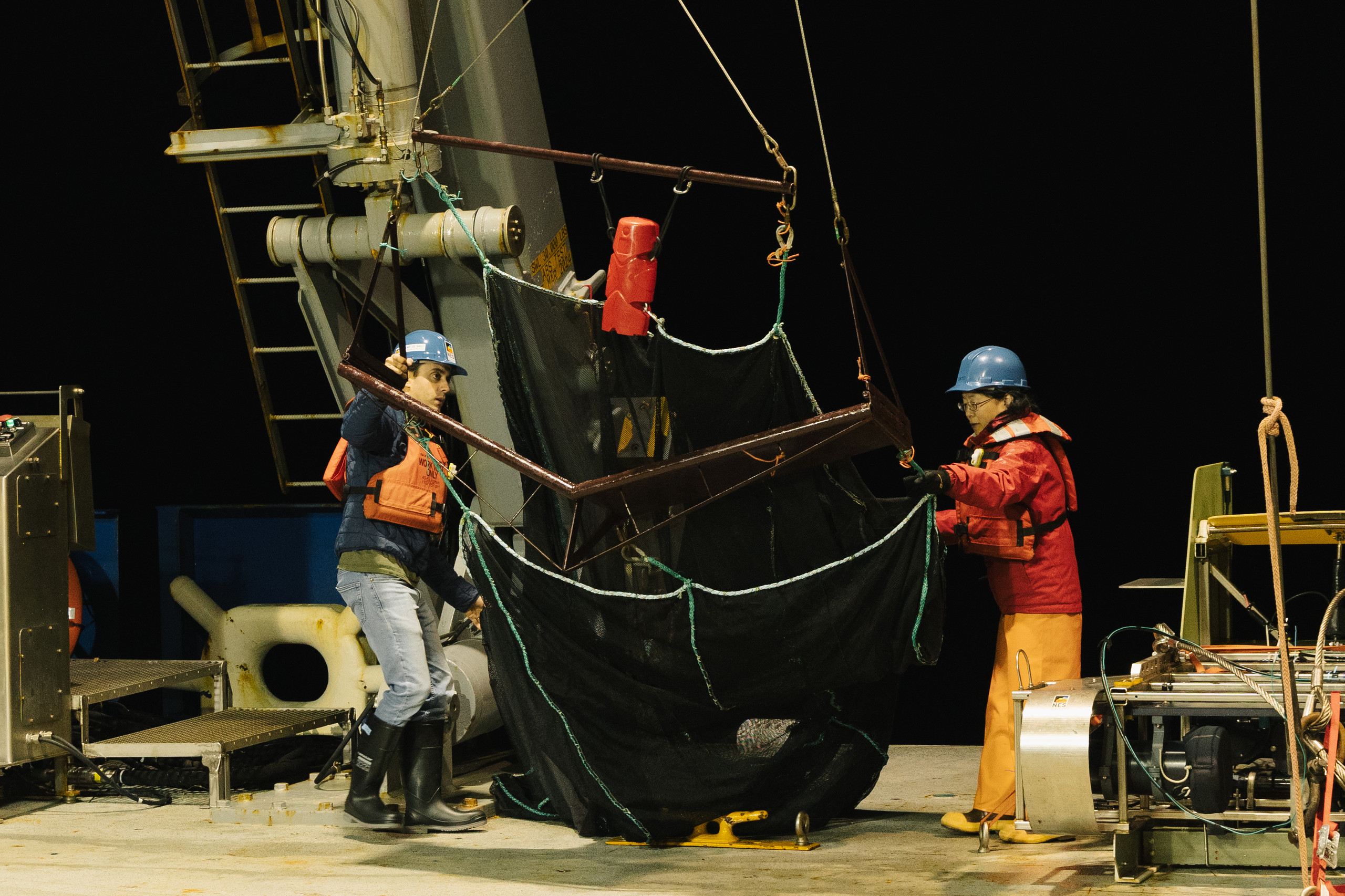
Net deployments collect biological material that complements optical and sensor-based observing systems. Combining direct samples with instrument data helps interpret what automated platforms detect in the water.
Plankton are the drifting organisms that form the living foundation of marine ecosystems. Phytoplankton use sunlight and nutrients to photosynthesize, produce oxygen, support marine food webs, and influence carbon cycling, while zooplankton feed on phytoplankton and other small organisms and transfer energy to fish, seabirds, and larger marine life. Although many plankton are microscopic, their distributions and interactions shape ecosystem responses across very large ocean regions. Our research examines how plankton communities are organized, transported, and transformed in a changing ocean. Because these communities can change quickly as water masses move, mix, warm, freshen, or become nutrient enriched, understanding them requires more than a single sample or a static map. We combine field observations, autonomous platforms, satellite and modeled data, imaging systems, and computational analysis to connect biological patterns with the environmental conditions that shape them.
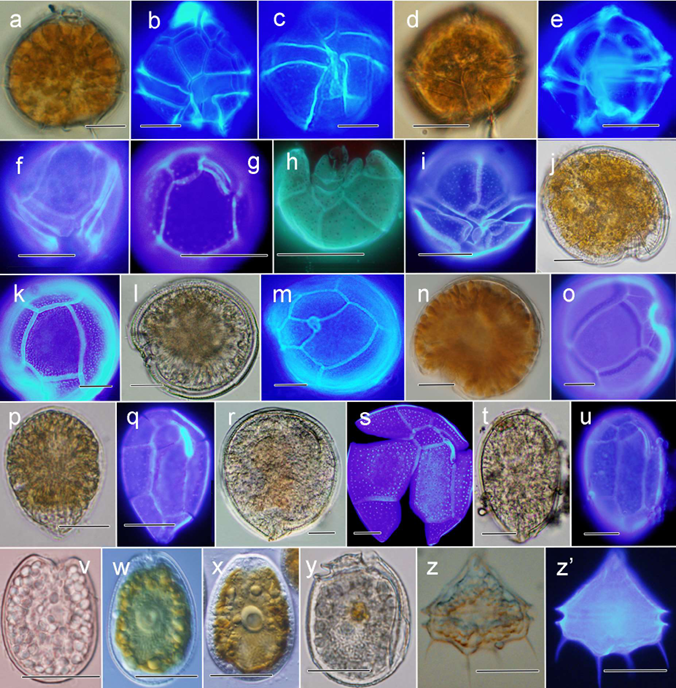 Harmful Algal Blooms
Some phytoplankton species can harm marine life and coastal communities. We study when these algae appear, what conditions favor them, and how species identity shapes bloom risk.
Harmful Algal Blooms
Some phytoplankton species can harm marine life and coastal communities. We study when these algae appear, what conditions favor them, and how species identity shapes bloom risk.
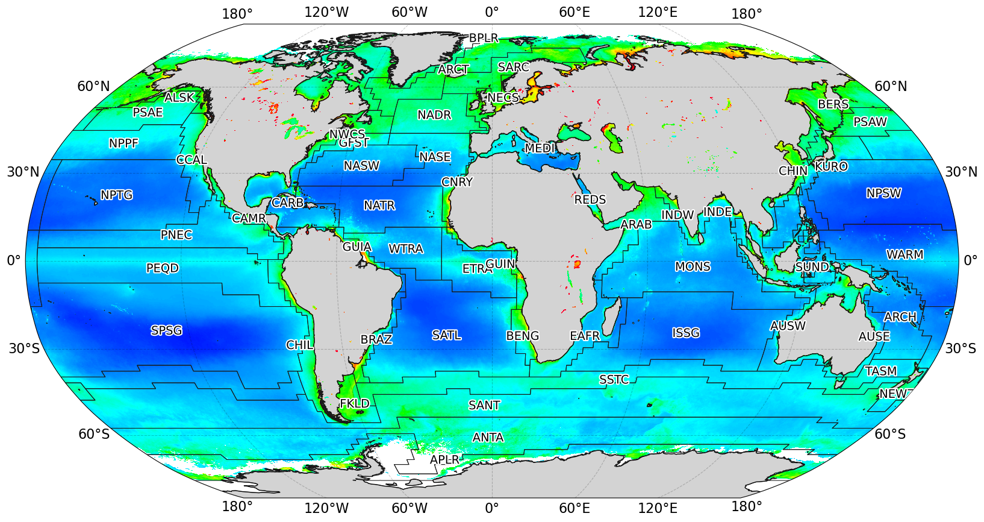 Plankton Biogeography
Plankton habitats shift with currents, seasons, river plumes, and ocean fronts. We study how these moving environments organize marine life across coastal and open-ocean regions.
Plankton Biogeography
Plankton habitats shift with currents, seasons, river plumes, and ocean fronts. We study how these moving environments organize marine life across coastal and open-ocean regions.
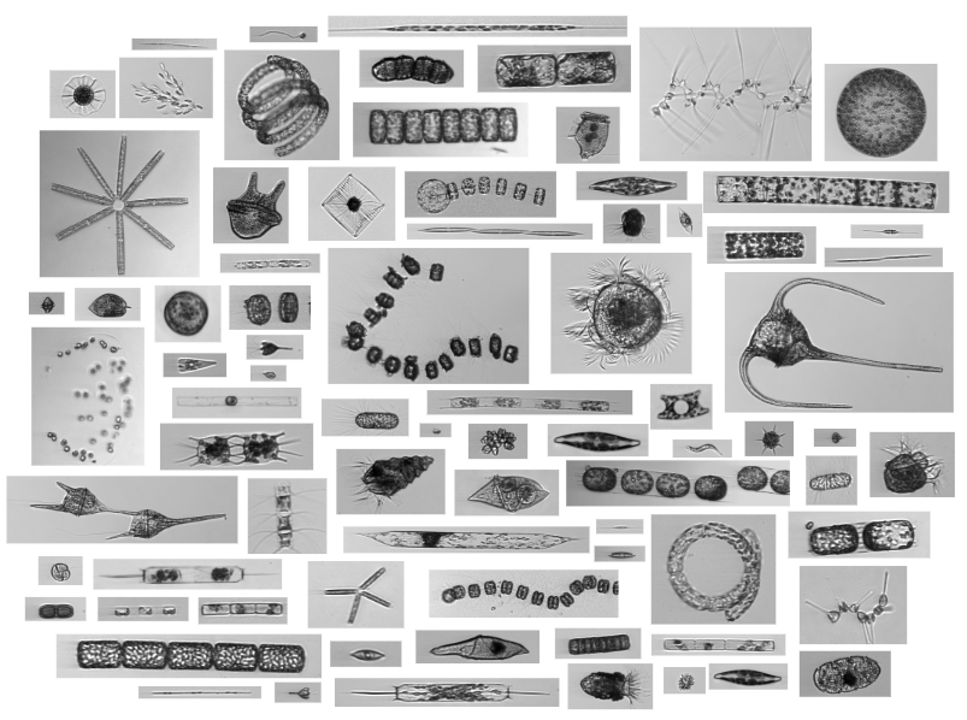 Community Dynamics
Plankton communities assemble, turn over, and respond together to changing ocean conditions. We study how these community patterns reorganize across water masses, seasons, and years.
Community Dynamics
Plankton communities assemble, turn over, and respond together to changing ocean conditions. We study how these community patterns reorganize across water masses, seasons, and years.
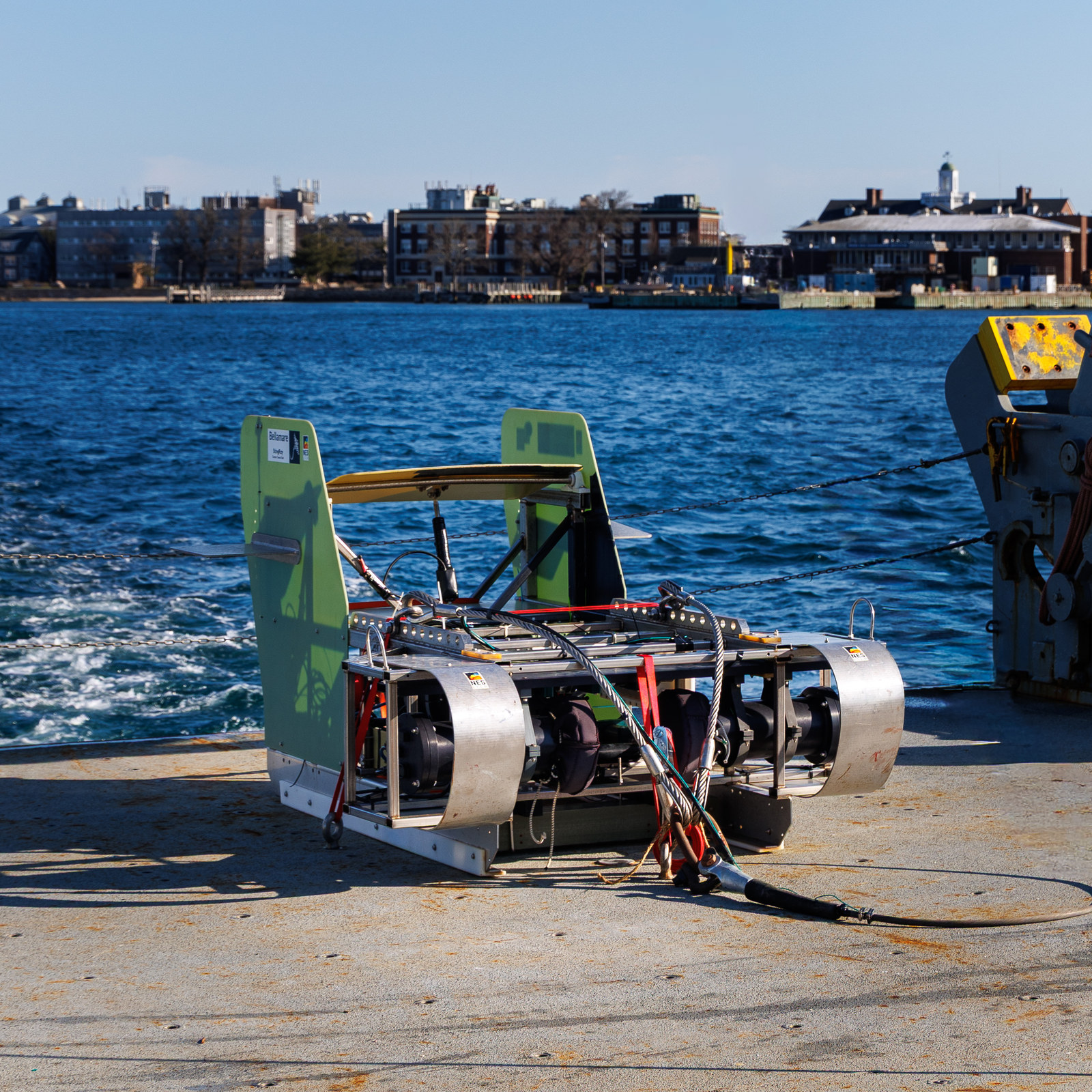 Ocean Observing Technologies
Long-term plankton research depends on consistent observations across cruises, platforms, and changing technologies. We develop data and visualization tools that keep ecological questions connected.
Ocean Observing Technologies
Long-term plankton research depends on consistent observations across cruises, platforms, and changing technologies. We develop data and visualization tools that keep ecological questions connected.
Current Directions
- Computer-vision systems for scalable plankton detection, classification, trait extraction, and quality-controlled image analysis, so large image streams can become reliable ecological datasets.
- Representation-learning approaches, including contrastive, self-supervised, and multimodal methods, for extracting ecological information from complex plankton observations with less dependence on fully labeled training data.
- Generative and foundation-model approaches for linking biological observations, environmental context, and existing scientific knowledge across different data types.
- Integration of imaging, environmental sensors, autonomous platforms, remote sensing, and other heterogeneous observations for ecosystem-scale analysis across space and time.